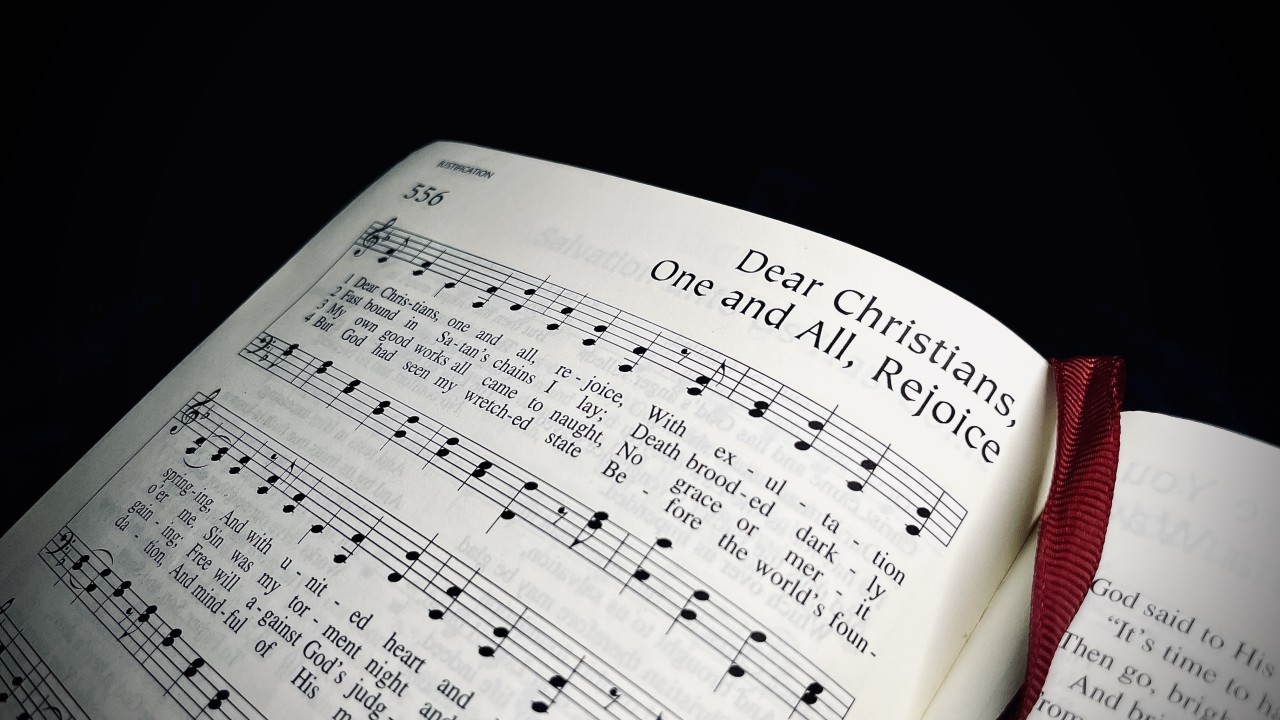
A Reading for Reformation Day
Now we know that whatever the law says it speaks to those who are under the law, so that every mouth may be stopped, and the whole world may be held accountable to God. For by works of the law no human being will be justified in his sight, since through the law comes knowledge of sin.
The Righteousness of God through Faith
But now the righteousness of God has been manifested apart from the law, although the Law and the Prophets bear witness to it—the righteousness of God through faith in Jesus Christ for all who believe. For there is no distinction: for all have sinned and fall short of the glory of God, and are justified by his grace as a gift, through the redemption that is in Christ Jesus, whom God put forward as a propitiation by his blood, to be received by faith. This was to show God’s righteousness, because in his divine forbearance he had passed over former sins. It was to show his righteousness at the present time, so that he might be just and the justifier of the one who has faith in Jesus.
Then what becomes of our boasting? It is excluded. By what kind of law? By a law of works? No, but by the law of faith. For we hold that one is justified by faith apart from works of the law.
Romans 3:19-28 (ESV)
For the Gospel and For Life
by Rev. Dr. Aric Fenske
As you know, today we celebrate the Reformation of God’s Church and our great Lutheran heritage, which means that it is a good day for us to reflect. What was the Reformation all about? And what are we all about as Lutherans?
I’d be willing to bet that if I were to ask a group of Lutherans what it means to be Lutheran, there’s a good chance that I’d hear something like this, “Well, Lutherans don’t believe we’re saved by works. We don’t believe in the pope. We don’t worship Mary or pray to the saints. We don’t believe in purgatory.”
Well, all of that is certainly true. And these were all things that Luther and his companions had to address. But is that really what the Reformation was all about? Does being Lutheran mean simply not being Roman Catholic? Or not being Baptist or Methodist3 or Pentecostal? Certainly not! The atheist doesn’t believe that that the pope is infallible either. Nor would they believe in purgatory or that they are going to be justified before God by their works.
It’s not enough to know what we’re against or what we don’t believe. Are we saved by what we don’t believe? No, of course not. Quite the opposite. Salvation comes by the “righteousness of God through faith in Jesus Christ for all who believe” (Romans 3:22). And what do they believe? That “all have sinned and fall short of the glory of God, and are justified by his grace as a gift, through the redemption that is in Christ Jesus” (Romans 3:23-24).
That is the very heart of the Christian faith. It certainly was for Luther and the other reformers. Their teaching, their faith—it wasn’t really about what they were against. It all centered around the Gospel—the free gift of salvation in Jesus Christ.
Why did the reformers deny the authority of the pope or the teaching of purgatory and indulgences? Because “if the Son sets you free, you are free indeed” (John 8:36). And the Son has set you free! Jesus has offered His own perfect life as the payment for your sins, and not for yours only, but for the sins of the whole world. He has done everything that is necessary for you to be forgiven and reconciled to the Father in heaven and enter everlasting life.
That means that there’s no need for something like purgatory. There’s no need for the pope or any other saint to act as a go-between for you and God because Jesus has already taken care of that. There’s no need to worry about whether you’ve done enough good works to enter heaven because Jesus has done everything you need. This is great news, because as Paul reminds us, if it were up to us and our works, we’d all be left out. We all stand condemned and accountable to God under the Law. Far from showing us how to earn our way into heaven, the commandments of God really show us how far we are from achieving it.
To Luther, it was always about giving all the credit to Jesus and trusting in Him alone. And that’s why he and his companions spoke against things. It was because of what they were for, what they believed in: the Gospel of Jesus Christ, our Lord, and good works in their rightful place, not as the way for us to earn salvation, but as the result of our being saved by Jesus.
That’s the heart of our Lutheran identity. It can’t be just about what we’re against. We are defined by what we believe in and what we are for. And we are for the Gospel. We are for the truth of God’s Word that tells us that we are all slaves to our sins and completely unable to free ourselves, and yet our Lord Jesus Christ offered Himself as the redemption price to free us from our sins, and that through faith in Him alone we are counted righteous in God’s eyes and given forgiveness, life, and salvation as a free gift.
And, since we are for the Gospel, we are also For Life. As Paul reminds us, the perfect Law of God shows that we are all equally guilty and accountable to God. No one is more worthy of God’s love and affection than the other. On the other hand, the Gospel shows us that all are saved in the same way: the free gift of forgiveness through faith in Christ. And this means that all are equally loved by God and precious to Him.
We are a people who are For Life because God Himself is For Life. That is to say, we believe that each person has not only been created by God in His image but has been purchased and won by the blood of Christ. And this means that every person is worthy of love and care and compassion. So, we speak up and fight to protect the earthly life and basic rights and dignity of each person. And we don’t stop there. We desire that each person hears the Gospel, repents of their sins, believes in Jesus, and receives His salvation. Jesus died that they might have exactly this.
Therefore, much the same as being Lutheran isn’t simply about what we are against so much as it is about what we are for, being For Life isn’t simply about being against things. Yes, we are against abortion in all its forms. We are against suicide and assisted suicide. We are against sex outside of marriage and all forms of sexual perversion. That’s all true. But why are we against those things? Because we are for something better.
We are For Life, not just earthly life but everlasting life! We are for the unborn receiving the love of Jesus. We are for their mothers and fathers hearing the Gospel and receiving Jesus’ compassion and forgiveness and imitating Jesus in their own marriages. We are for the disabled and mentally ill being loved and cared for in the way that Jesus cares for them. We are for the lonely and depressed hearing that Christ has made them His brothers and sisters. We are for the sick and dying being treated with dignity as we commend them into the victory of Jesus over sin and death.
That’s what we’re all about. Lutherans, like Luther, are people of the Gospel, which means that we are for Christ and for the lives that He died to save.